1.Detection And Curative Treatment
2. Asthma Also Curable By Proper Treatment.
Head and Neck Surgery, our goal is to provide the highest possible care for all ENT issues and for complex and technically challenging disorders in the head and neck region.
Our ENT physicians possess specialized expertise, using innovative techniques and collaborating closely with one another, to provide the best possible care for you and your family.
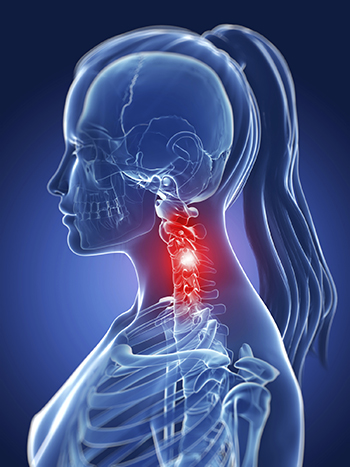
You will benefit from the multidisciplinary care of head and neck surgeons, working together with medical oncologists, radiation oncologists, pathologists and speech language pathologists to address every aspect of your experience.
Every person — and every cancer — is unique. With that in mind, our team develops individualized approaches, working with the full array of medical and surgical methods, including traditional, endoscopic and robotic surgery, to address tumors.

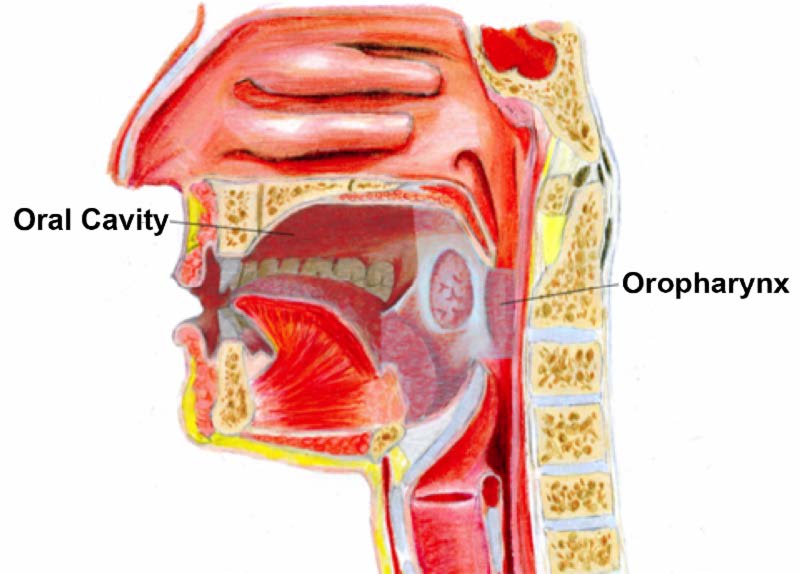
At RDENT Clinic, people who have a cancer of the oral cavity are treated by a multidisciplinary doctor whose medical practice is dedicated to helping people with these cancers. Oral cavity cancers can affect the mouth, lips, tongue, salivary glands, palate, gums and jaw line. Your doctors talk with you about your concerns, develop an individualized treatment plan and work with you to preserve or restore your appearance, and your ability to speak and eat.
You will receive comprehensive care for the diagnosis and treatment of your condition, with access to dietary and nutritional counseling, cancer treatment, reconstructive surgery, dental restoration, follow-up care, physical therapy, and palliative care services.
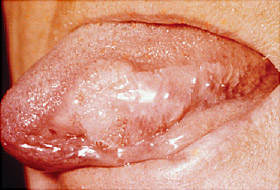
if the problem is at the base of your tongue, you may not notice any symptoms. Your dentist may find signs of tongue cancer during a checkup, or your doctor might notice something during a regular exam.
The human papillomavirus (HPV) can cause cancers on the base of the tongue. HPV also can infect your genital area and cause cervical cancer, penile cancer, and anal cancer. It’s the most common sexually transmitted infection. There are many types of HPV. The ones that raise your odds of getting cancer are called high-risk HPV.
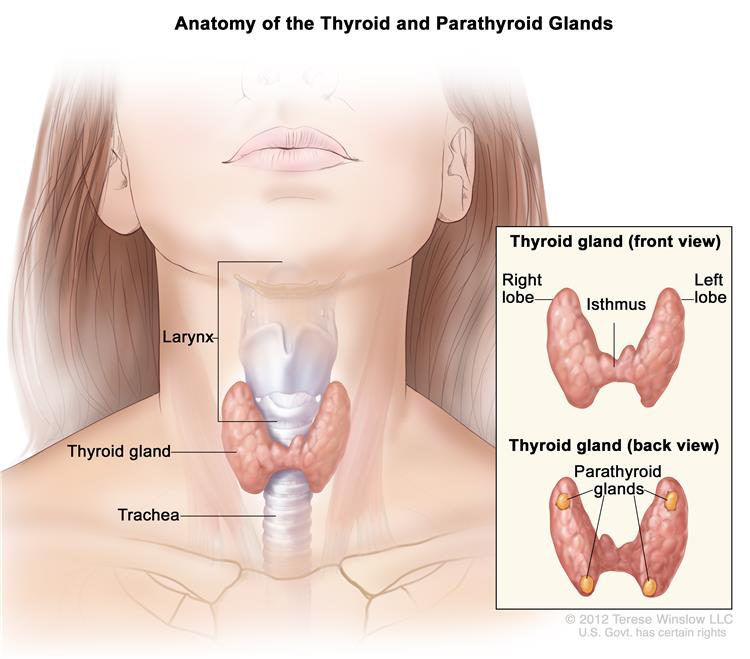
Thyroid cancer is a disease in which malignant (cancer) cells form in the tissues of the thyroid gland. Thyroid nodules are common but usually are not cancer. There are different types of thyroid cancer. Age, gender, and being exposed to radiation can affect the risk of thyroid cancer. Medullary thyroid cancer is sometimes caused by a change in a gene that is passed from parent to child. Signs of thyroid cancer include a swelling or lump in the neck. Tests that examine the thyroid, neck, and blood are used to detect (find) and diagnose thyroid cancer. Certain factors affect prognosis (chance of recovery) and treatment options. Thyroid cancer is a disease in which malignant (cancer) cells form in the tissues of the thyroid gland. The thyroid is a gland at the base of the throat near the trachea (windpipe). It is shaped like a butterfly, with a right lobe and a left lobe. The isthmus, a thin piece of tissue, connects the two lobes. A healthy thyroid is a little larger than a quarter. It usually cannot be felt through the skin.
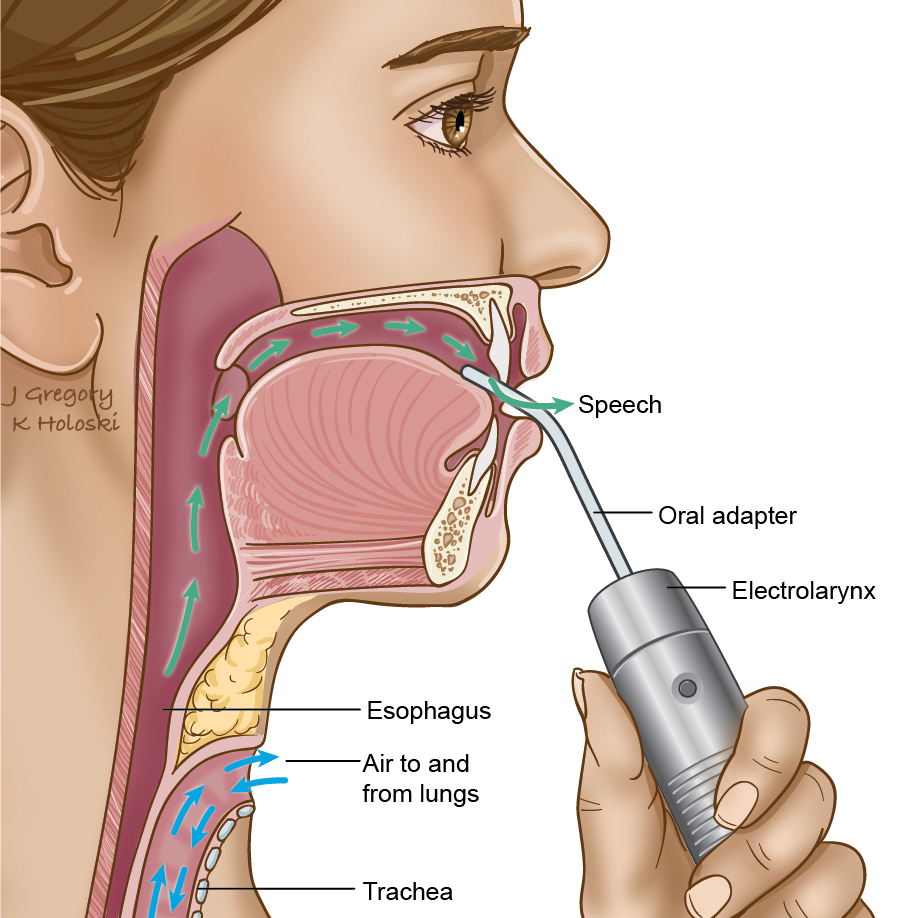
Surgery is commonly used to treat laryngeal and hypopharyngeal cancers. Depending on the type, stage, location of the cancer, and other tissues involved, different operations may be used to remove the cancer and sometimes other tissues near the larynx or hypopharynx. In almost all surgeries, the plan is to take out all of the cancer along with a rim (margin) of healthy tissue around it. Surgery might be the only treatment needed for some early stage cancers. It also might be used along with other treatments, like chemotherapy or radiation, for later stage cancers. After the cancer is removed, reconstructive surgery may be done to help make the changed areas look and work better.
1.Microscopic Tympanoplasty
2.Microscopic Mastoidectomy
3.Microscopic Ossiculoplasty
4.Microscopic Stapes Surgery
5.Microscopic Cochlear Implant Surgery
6.Microscopic Anterior And Posterior Tympanotomy
7.Microscopic Pre-Auricular Sinus-Surgery
8.Laser Stapedotomy
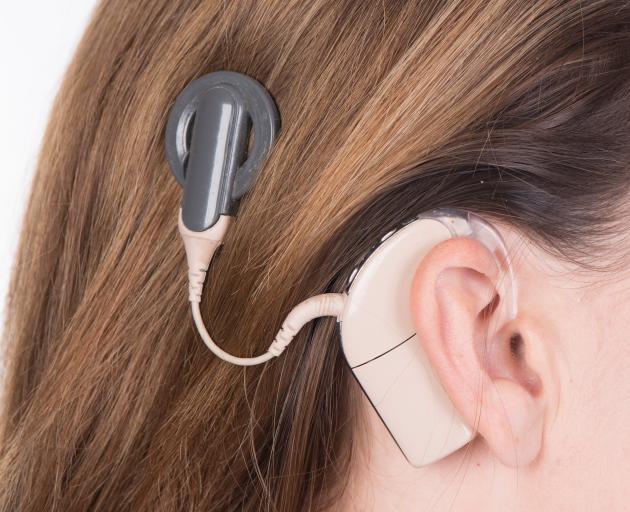
A cochlear implant is a small electronic device that electrically stimulates the cochlear nerve (nerve for hearing). The implant has external and internal parts. The external part sits behind the ear. It picks up sounds with a microphone. It then processes the sound and transmits it to the internal part of the implant. The internal part is placed under the skin behind the ear during an outpatient surgery. A thin wire and small electrodes lead to the cochlea, which is part of the inner ear. The wire sends signals to the cochlear nerve, which sends sound information to the brain to produce a hearing sensation. Although normal hearing is not restored, with appropriate therapy and practice, the improved hearing experience can mean an increased awareness of sounds in the environment, as well as better communication through easier lip reading and listening.
1.Endoscopic Septoplasty
2.Endoscopic Modified SMR
3.FESS
4.Endoscopic Nasal Surgery
5.Endoscopic JNA Operation
6.Endoscopic CSF Leak Repair
7.Endo-DCR
8.Total Maxillectomy
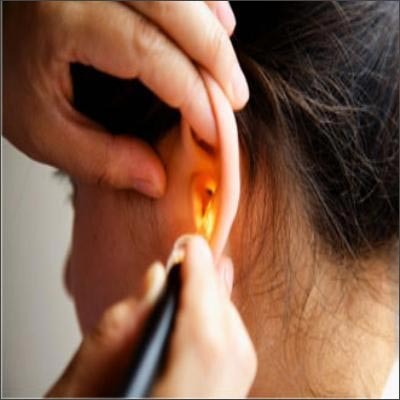
Hearing is one of the special senses god has bestowed upon human beings. One can really appreciate the value of hearing only when one ceases to hear. Unfortunately, in our country the hearing impaired individuals are ridiculed, where as the visually impaired are sympathized upon. Our country being a developing nation with poor socio-economic status and low environmental surroundings, chronic diseases of the ear account for nearly 5% of the population. One will not be surprised if the statistics reveal five crores chronic ear patients in our country. If this ailment is not corrected, the hardship faced by the patients will be tremendous. Hence, the purpose of ear surgery is to restore normal anatomical and physiological status of the ear, so that the patient leads a comfortable lifestyle. ENT surgeons by performing corrective surgery for chronic suppurative otitis media (CSOM) can change the lifestyles of their patients profoundly. The medical line of management will only lessen the severity of symptoms. With the present modern gadgets coupled with skill acquired by otologist. I will exhort every patient with CSOM to undergo corrective ear surgery as to ensure a healthy and normal life
Rhinoplasty, commonly known as a nose job, is a plastic surgery procedure for correcting and reconstructing the nose. There are two types of plastic surgery used – reconstructive surgery that restores the form and functions of the nose and cosmetic surgery that improves the appearance of the nose.

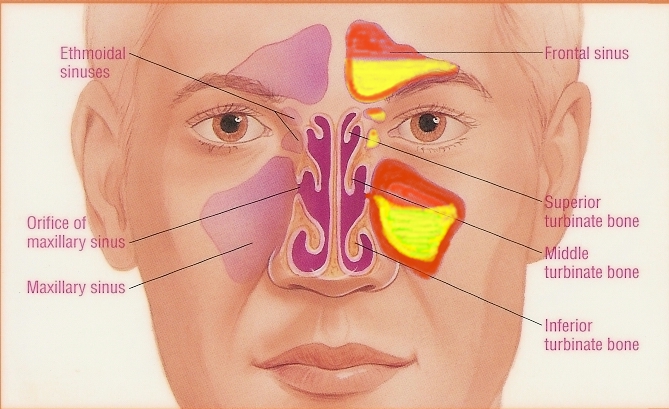
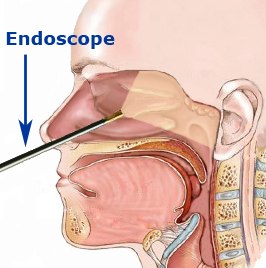
Functional endoscopic sinus surgery (FESS) is a minimally invasive surgical treatment which uses nasal endoscopes to enlarge the nasal drainage pathways of the paranasal sinuses to improve sinus ventilation. This procedure is generally used to treat inflammatory and infectious sinus diseases, including chronic rhinosinusitis that doesn't respond to drugs, nasal polyps, some cancers, and decompression of eye sockets/optic nerve in Graves ophthalmopathy. In the surgery, an otolaryngologist removes the uncinate process of the ethmoid bone, while visualizing the nasal passage using a fiberoptic endoscope. FESS can be performed under local anesthesia as an outpatient procedure. Generally patients experience only minimal discomfort during and after surgery. The procedure can take from 2 to 4 hours to complete
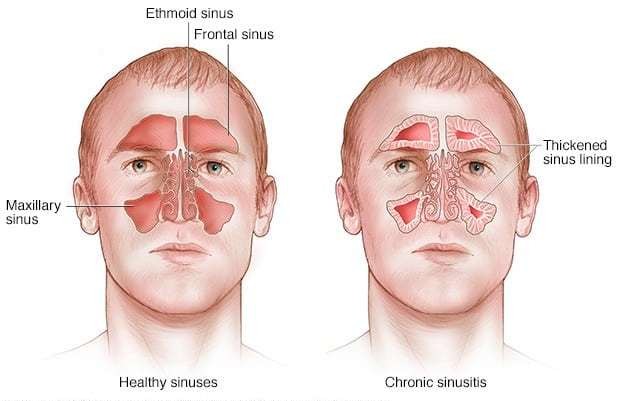
Traditional sinus surgery removes diseased or obstructive sinus tissue resulting in improved natural sinus drainage. Post-operative care is as important as the sinus surgery. Balloon sinuplasty or sinus ostial dilation surgery is a newer method to address sinus disease. It involves expanding the natural drainage openings of the sinus passages. It is an approved, safe procedure that may be done in the operating room or office setting for some patients.
A doctor or physical therapist typically performs canalith repositioning, but you may be shown how to do modified exercises at home. Canalith repositioning is very effective for people with benign paroxysmal positional vertigo (BPPV) — the most common cause of vertigo. Results vary, but some studies have shown between a 50 and 90 percent success rate. If the crystals move back into your semicircular canals, like - A neck problem A back condition Rheumatoid arthritis A detached retina in your eye Blood vessel or heart problems. You should contact our Doctor.
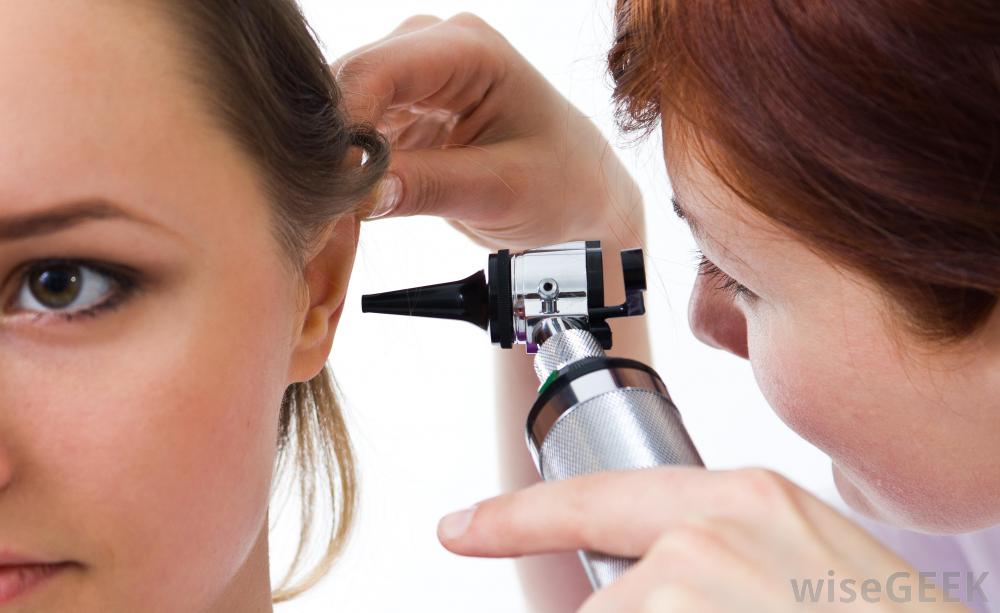
To determine what underlying medical condition may be causing your tinnitus, your doctor will give you a general physical exam, including a careful examination of your ears. Be sure to inform your doctor of all medications you are taking, because tinnitus can be a side effect of some drugs.
If the source of the problem remains unclear, you may be sent to an otologist or an otolaryngologist (both ear specialists) or an audiologist (a hearing specialist) for hearing and nerve tests. As part of your examination, you may be given a hearing test called an audiogram. An imaging technique, such as an MRI or a CT scan, may also be recommended to reveal any structural problem.
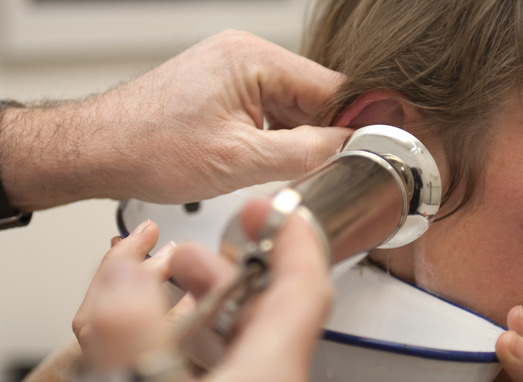
It may be helping your infant daughter hear voices and the world around her so she may learn to speak. It could be helping your parents enjoy the laughter of their grandchildren. Or you may be searching for solutions to protect hearing and prevent hearing loss. No matter what the need, Marshfield Clinic’s Department of Audiology works with people of all ages and with all types of hearing issues. Audiologists conduct hearing evaluations and help patients and families develop solutions to any communication problems created by hearing deficits. They frequently work with educators, physicians and other providers as well as families. Audiologists may fit hearing aids or other devices, provide counselling and assist in rehabilitation and follow-up care. They also often recommend and fit customized hearing protection.
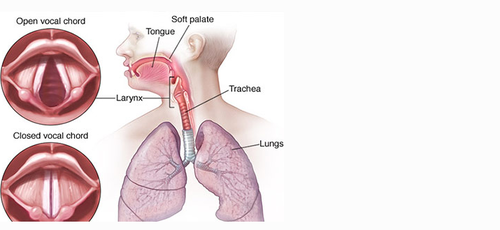
1. Type-1 Thyroplasty
2. Type-2 Thyroplasty
3. Type-3 Thyroplasty
4. Type-4 Thyroplasty
5. MLS
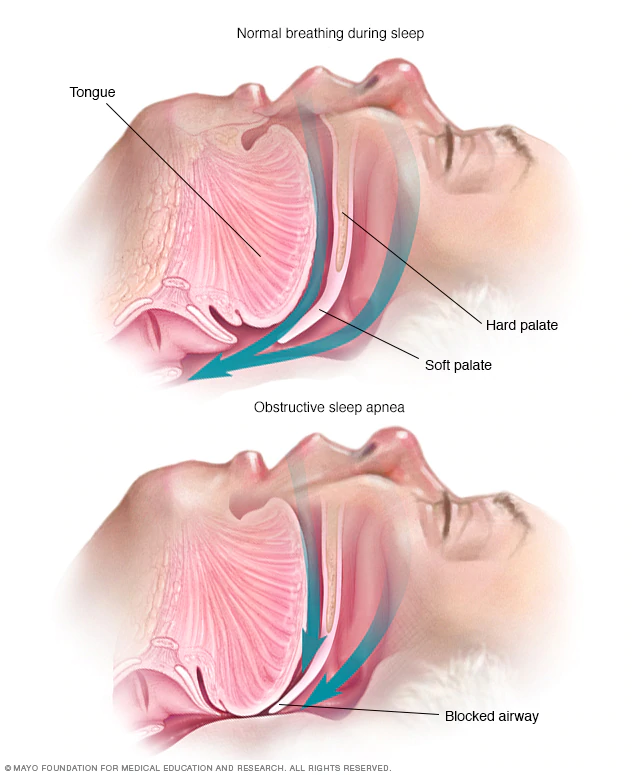
Sleep apnea is a potentially serious sleep disorder in which breathing repeatedly stops and starts. If you snore loudly and feel tired even after a full night's sleep, you might have sleep apnea. The main types of sleep apnea are: Obstructive sleep apnea, the more common form that occurs when throat muscles relax Central sleep apnea, which occurs when your brain doesn't send proper signals to the muscles that control breathing Complex sleep apnea syndrome, also known as treatment-emergent central sleep apnea, which occurs when someone has both obstructive sleep apnea and central sleep apnea If you think you might have sleep apnea, see your doctor. Treatment can ease your symptoms and might help prevent heart problems and other complications.
Thyroid disease is a group of disorders that affects the thyroid gland. The thyroid is a small, butterfly-shaped gland in the front of your neck that makes thyroid hormones. Thyroid hormones control how your body uses energy, so they affect the way nearly every organ in your body works—even the way your heart beats. Illustration of the thyroid gland and its location in the neck The thyroid is a small gland in your neck that makes thyroid hormones. Sometimes the thyroid makes too much or too little of these hormones. Too much thyroid hormone is called hyperthyroidism and can cause many of your body’s functions to speed up. “Hyper” means the thyroid is overactive. Learn more about hyperthyroidism in pregnancy. Too little thyroid hormone is called hypothyroidism and can cause many of your body’s functions to slow down. “Hypo” means the thyroid is underactive.
1. Operation
2. Non-Operative---Computerized Digital Hearing AID And Timber Based Digital Hearing AID
For many people with parotid gland tumors, surgery performed by a head and neck surgeon is the main treatment. This operation is called a parotidectomy. The parotid gland consists of two lobes: the superficial lobe and the deep lobe. Surgery to remove a tumor in the superficial lobe is called a superficial parotidectomy. Surgery to remove a tumor in the deep lobe — or in both the deep and superficial lobes — is called a total parotidectomy. The two lobes are separated by the facial nerve. Treating parotid gland tumors requires great precision on the part of your surgical team because the facial nerve is nearby. The facial nerve controls your ability to close your eyes, raise your eyebrows, and smile. Preserving the facial nerve is an important priority when removing a parotid gland tumor. The facial nerve is typically identified and protected during a parotidectomy. However, there is a chance that the nerve may be adversely affected by the tumor itself or by the surgical procedure needed to remove the tumor.
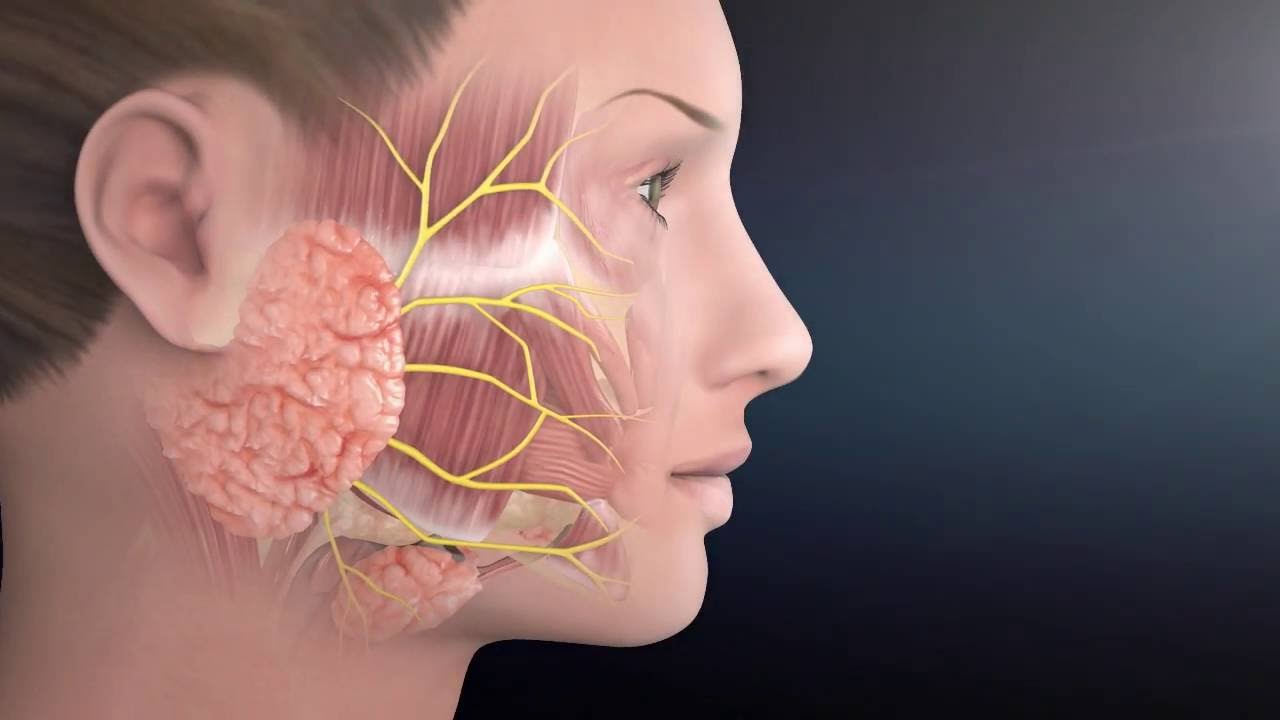
For many people with parotid gland tumors, surgery performed by a head and neck surgeon is the main treatment. This operation is called a parotidectomy. The parotid gland consists of two lobes: the superficial lobe and the deep lobe. Surgery to remove a tumor in the superficial lobe is called a superficial parotidectomy. Surgery to remove a tumor in the deep lobe — or in both the deep and superficial lobes — is called a total parotidectomy. The two lobes are separated by the facial nerve. Treating parotid gland tumors requires great precision on the part of your surgical team because the facial nerve is nearby. The facial nerve controls your ability to close your eyes, raise your eyebrows, and smile. Preserving the facial nerve is an important priority when removing a parotid gland tumor. The facial nerve is typically identified and protected during a parotidectomy. However, there is a chance that the nerve may be adversely affected by the tumor itself or by the surgical procedure needed to remove the tumor.
Immune-mediated inner ear disease can be primary, when the autoimmune response is against the inner ear, or secondary. The latter is characterized by the involvement of the ear in the presence of systemic autoimmune conditions. Sensorineural hearing loss is the most common audiovestibular symptom associated with systemic autoimmune diseases, although conductive hearing impairment may also be present. Hearing loss may present in a sudden, slowly, rapidly progressive or fluctuating form, and is mostly bilateral and asymmetric. Hearing loss shows a good response to corticosteroid therapy that may lead to near-complete hearing restoration. Vestibular symptoms, tinnitus, and aural fullness can be found in patients with systemic autoimmune diseases; they often mimic primary inner ear disorders such as Menière’s disease and mainly affect both ears simultaneously. Awareness of inner ear involvement in systemic autoimmune diseases is essential for the good response shown to appropriate treatment. However, it is often misdiagnosed due to variable clinical presentation, limited knowledge, sparse evidence, and lack of specific diagnostic tests. The aim of this review is to analyse available evidence, often only reported in the form of case reports due to the rarity of some of these conditions, of the different clinical presentations of audiological and vestibular symptoms in systemic autoimmune diseases.